Air Purifiers for Germ Control
Air purifiers for germ control are essential for commercial areas with numerous people or anyone with a low immune system. However, every day more and more people are wanting to protect themselves and their families from germs, viruses, mold spores, and other harmful contaminants in the air. Shop our full range of air purifiers built to help reduce airborne germs, from compact home units to commercial-grade systems. (continue reading)
48 results
-
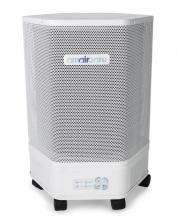 $759.00
- Covers 1800 sq ft
- Silent mode
- Electronic controls
- Low EMF
-
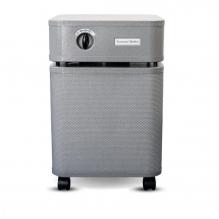 $1,144.99
- Covers 1500 sq ft
- Austin's Most Powerful Unit
- 8 Phase Filtration
- 5 Year Warranty
-
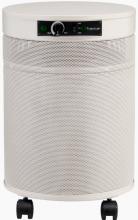 $1,649.98
- Step above P600 for VOCs, gases, odors
- Top Filtration-VOCs & Micro-organisms
- HEPA coated with TiO2
- TitanClean Photocatalytic Oxidation
-
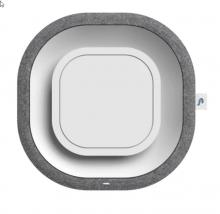 $699.00
- High Quality Monitor Plus Purifier in One
- Smart Technology - WiFi, App
- Covers 600 sq ft
- 99.9% of Viruses, Germs, tVOCs, Allergens
-
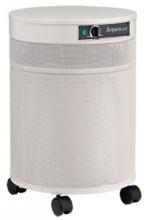 $1,049.98
- Covers up to 2500 sq ft
- Ideal for Healthcare settings
- Ideal for Severe Allergies & Asthma
- 100 sq ft of True HEPA for optimal particle removal
-
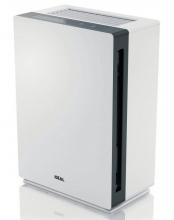 $699.00 $499.00
- Made in Germany
- Low Decibels 18.7-63.4
- Very Powerful CFM 470
- Easy Maintenance
-
- Upgraded VOC & Odor protection
- Covers up to 2500 sq ft
- Sterilizes antigens, pathogens, and mold spores
- 3 Levels of Filtration
-
- Excellent Dwell Time
- Covers up to 2500 sq ft
- Sterilizes antigens, pathogens, and mold spores
- 3 Levels of Filtration
-
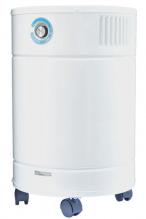 $999.98 $722.98
- Covers 2000 sq ft
- Medical Grade HEPA
- UV Lamp added protection from mold & germs
- Replaces 6000 Exec UV
-
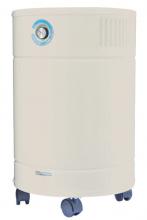 $899.98 $637.98
- 1500 sq ft
- Focus is particulate matter
- UV lamp for added germ & mold protection
- Medical Grade HEPA
-
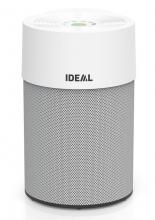 $399.00 $299.00
- Made in Germany
- Low Decibels 16.7-61.7
- Very Powerful CFM 258
- Easy Maintenance
-
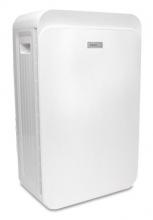 $1,100.00 $414.27
- Covers 1100 sq ft with 3 ACH
- Particle Sensor
- >99.97% effective at .3 microns
- Ozone Free
-
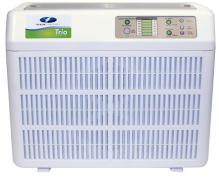 $759.16
- Covers over 1000 sq ft
- 99.97% Particles Reduction in First Pass
- 93.6% Bacteria Reduction in Just 2 Hrs
- Ozone Free
-
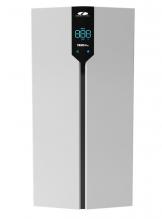 $1,455.00 $1,087.24
- Covers 1,618 sq ft with 3 ACH
- VOC and Particle Sensors
- >99.97% effective at .3 microns
- Ozone Free
-
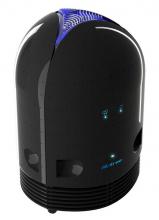 $299.00
- Covers 650 sq ft
- Ideal for Mold, Germs, and Viruses
- Boost Technology for Faster Results
- Totally Maintenance & Filter Free
-
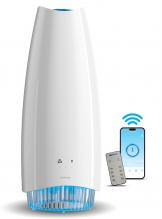 $359.00 $199.00
- Covers 750 sq ft
- Ideal for Mold, Germs, Viruses, Odors
- Silent without Fan
- Maintenance Free without Capsule System
-
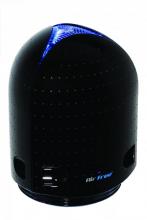 $329.00
- Covers 650 sq ft
- Ideal for Mold, Germs, and Viruses
- Color/Mood Technology
- Totally Maintenance & Filter Free
-
- Covers 650 sq ft
- Ideal for Mold, Germs, and Viruses
- 2 year Limited Warranty
- Totally Maintenance & Filter Free
-
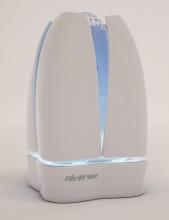 $349.00
- Covers 650 sq ft
- Beautiful Color Changing Technology
- Totally Silent & Maintenance Free
- Low Energy Consumption
-
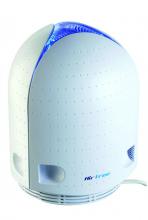 $249.00
- Covers 550 sq ft
- Ideal for Mold, Germs, and Viruses
- 2 year Limited Warranty
- Totally Maintenance & Filter Free
-
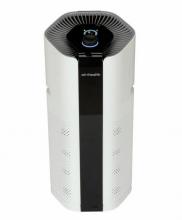 $699.99 $579.00
- Powerful
- Quiet
- 5 Stage Filtration
- User-Friendly
-
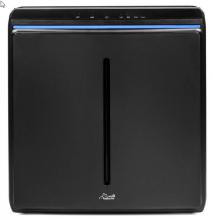 $749.95
- Covers 2 ACH for 1070 sq ft
- Easy maintenance
- Wall mountable
- Ultra quiet
-
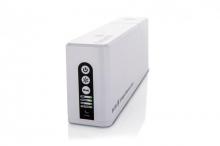 $399.00 $299.00
- Covers 800 sq ft
- Top Quality Environmental Probiotic
- Patented Release System
- New Improved System
-
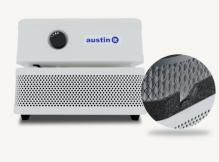 $359.99
- Personal Air Purifier
- Medical Grade HEPA
- Plus Carbon Wrap
- Coverage 750 sq ft.
-
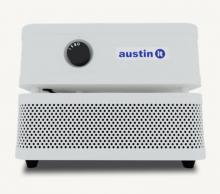 $344.99
- Personal Air Purifier
- Medical Grade HEPA
- Coverage 750 sq ft.
- 5 yr Warranty
-
- Step above P600 for VOCs, gases, odors
- Top Filtration-VOCs & Micro-organisms
- HEPA coated with TiO2
- TitanClean Photocatalytic Oxidation
-
- Upgraded VOC & Odor protection
- Covers up to 2000 sq ft
- Sterilizes antigens, pathogens, and mold spores
- 3 Levels of Filtration
-
- 450 Delivered CFM on High
- Ideal for Healthcare settings
- Ideal for Severe Allergies & Asthma
- 100 sq ft of True HEPA for optimal particle removal
-
- Excellent Dwell Time
- Covers up to 2000 sq ft
- Sterilizes antigens, pathogens, and mold spores
- 3 Levels of Filtration
-
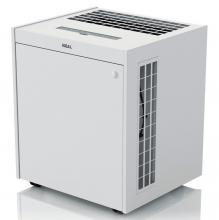 $999.00 $950.00
- Made in Germany
- Low Decibels 25.2-60.3
- Very Powerful CFM 824
- Easy Maintenance
-
- Covers 450 sq ft
- Ideal for Mold, Germs, and Viruses
- 2 year Limited Warranty
- Totally Maintenance Free and Silent
-
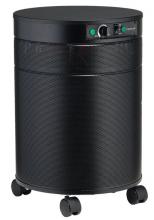 $1,399.98
- PCO & UV Technology
- CARB Approved
- Customized
- Versatile
-
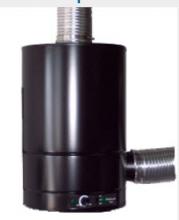 $2,049.98
- Whole Home Unit-installation required
- Top Filtration-VOCs & Micro-organisms
- 18 lbs of carbon
- TitanClean Photocatalytic Oxidation
-
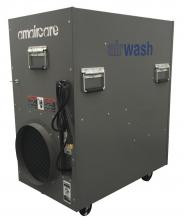 $2,863.00
- Powerful & Versatile
- HEPA/Carbon Configuration
- Easy to Maintenance
- Affordable
-
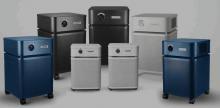 $2,164.97 $2,064.97
- Best Savings Option
- Build Your Own Bundle
- Easy Maintenance
- More Healthier Rooms
-
- Whole Home Unit-installation required
- Top Filtration-VOCs & Micro-organisms
- 18 lbs of carbon
- TitanClean Photocatalytic Oxidation
-
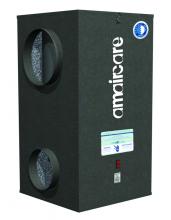 $919.00
- Covers 2625 sq ft (provides 1 ACH)
- 340 CFM
- Installation kit available
- Quality HEPA Filtration
-
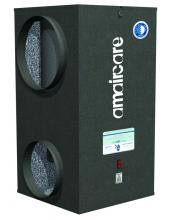 $1,259.00
- Covers 5062 sq ft (provides 1 ACH)
- 660 CFM
- Installation kit available
- Quality HEPA Filtration
-
- Covers 2625 sq ft (provides 1 ACH)
- 340 CFM
- Installation kit available
- HEPA Plus VOC upgrade
-
- Covers 5062 sq ft (provides 1 ACH)
- 660 CFM
- Installation kit available
- HEPA Plus VOC upgrade
-
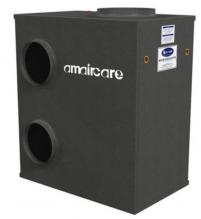 $3,469.00
- Covers 60,000 ft3 (provides 1 ACH)
- 1000 CFM
- 2 Sets of 16" Filters
- Comes without a cart
-
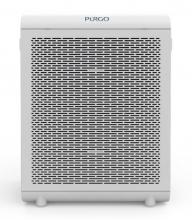 $2,700.00
- FDA Cleared
- 4 Levels of Filtration
- Patented SteriDuctTM Technology
- Easy Maintenance
-
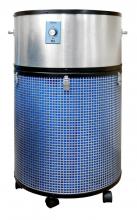 $5,819.98
- 60 lbs of carbon with UV
- Micro-HEPA wrap
- 2000 Free Flow CFM
- Dimensions: 30" x 22"
-
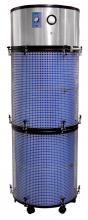 $8,339.98
- 120 lbs of carbon with UV
- Micro-HEPA wrap
- 2000 Free Flow CFM
- Dimensions: 62" x 22"
-
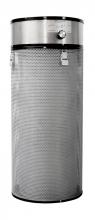 $2,519.97
- 30 lbs of carbon with UV
- Micro-HEPA wrap
- Free Flow CFM 420
- Dimensions: 29" x 12"
-
Call for Price - (888) 231-1463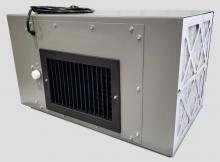
- Made in USA
- 300-1100 Delivered CFM
- Hung or Wall Mounted
- Optional NPBI Technology
-
Call for Price - (888) 231-1463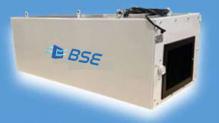
- Made in USA
- 850-1100 Delivered CFM
- Wide Array of Configurations
- Optional NPBI Technology
-
Call for Price - (888) 231-1463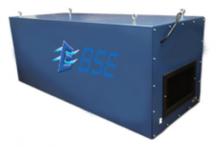
- Made in USA
- 2250-2500 Delivered CFM
- Wide Array of Configurations
- Optional: NPBI Technology
What Causes Germs in Indoor Air?
Bacteria, viruses, and mold spores rarely travel through the air on their own -- they hitch a ride on dust, moisture droplets, and other airborne particles. That's why indoor air quality plays such a big role in how easily germs move from room to room, especially in spaces with more foot traffic or less ventilation.
How Air Purifiers Help Reduce Airborne Germs
A true HEPA filter captures particles down to 0.3 microns, which includes many of the particles bacteria and viruses attach to as they move through the air. Some units add UV-C technology as an additional layer, which can help further reduce certain airborne pathogens. No air purifier can guarantee the removal of all germs from a space -- air purification works best as one part of a broader approach that also includes regular cleaning, good ventilation, and everyday hygiene habits.
Choosing the Right Air Purifier for Germ Control
- Look for true HEPA filtration rated to capture particles at 0.3 microns
- Consider a unit with UV-C or added antimicrobial filter media for an extra layer of protection
- Match the unit's CFM output to your room's square footage so it can keep up with your space
Air Changes Per Hour (ACH) for Germ Control
More air changes per hour means air passes through the filter more often, which can help reduce airborne germ concentration more quickly. Higher-traffic spaces like offices, waiting rooms, or classrooms often benefit from a higher ACH, while a lower ACH is still worthwhile in quieter home settings -- some filtration is always better than none. Keep in mind that running an oversized unit at full blast in a small room isn't necessarily more effective than a properly sized unit running at a moderate, steady speed.
Where Germ Control Matters Most
- Homes with young children, elderly family members, or anyone with a weakened immune system
- Offices, waiting rooms, and other shared indoor spaces
- Schools, gyms, and other high-traffic environments
If you're outfitting a dental or medical office, we also have guidance built specifically for those environments.
Frequently Asked Questions
Can an air purifier kill germs? No air purifier eliminates all germs from a space. HEPA filtration reduces the concentration of airborne particles -- including many of the particles bacteria and viruses travel on -- by capturing them in the filter as air passes through.
What size air purifier do I need for germ control? It depends on your room size and how much traffic the space gets. Match the unit's CFM rating to your square footage, and consider sizing up for higher-traffic rooms like offices or waiting areas.
Is UV-C necessary for germ control? UV-C can be a helpful additional layer, but it's not required for effective filtration. A properly sized true HEPA unit is the foundation -- UV-C is worth considering as a supplement, not a replacement.
How often should I run my air purifier for germ control? For the most consistent results, running your unit continuously is ideal, since airborne germs are introduced on an ongoing basis rather than all at once.