Airpura C700 Air Purifier: Chemicals & Gases for Large Rooms
Model: C700
SKU: arp-ap-us1662
Zoom In
Free Shipping
The Airpura C700 air purifier covers up to 2500 sq ft (depending on model and speed) and is an excellent choice for over 4000 airborne chemicals, even in heavy concentrations, such as ammonias, mold mycotoxins and toluene. Its extra-large carbon bed is made for maximum chemical adsorption, with superior air flow and dwell time and the largest CFM in a portable residential unit.
Love the C600 but want more power? The C700 features the 7-series motor, which is more powerful than the 6-series motor and quieter at the same airflow.
Airpura C700 Air Purifier: Chemical Abatement for Large Rooms
The Airpura C700 combines a deep bed of carbon with Airpura’s 7-series motor, so you can take on airborne chemicals, gases and odors across a larger space. Its estimated 26 lbs of coconut shell activated carbon adsorbs chemicals such as ammonias, gasoline, mold mycotoxins and toluene, and Airpura carbon blends are available for over 4,000 airborne chemicals in all. With more air flow than any other residential unit, Airpura’s 700 series is made for big jobs, and the C700 covers up to 2,500 sq. ft. (depending on model and speed).
More Power, and Quieter at the Same Airflow
The C700 runs on Airpura’s 7-series motor. It’s more powerful than the 6-series motor in the C600, and at the same airflow, it runs quieter. That makes the C700 a good match for open floor plans, great rooms, larger offices and workshops where chemicals and odors spread out. Variable speed control lets you pick the setting that fits the moment, whether that’s a hushed low setting overnight or a higher one when fumes build up.
Coconut Shell Carbon in a 3" Bed
Carbon cleans the air by adsorption: chemical molecules attach to the carbon’s surface as air flows through. The C700’s 3" carbon bed offers 570 sq. in. of surface, giving the air a long path through the carbon, and Airpura matches the airflow to the bed depth so the air gets enough contact time. Although a slower fan speed adds dwell time so the carbon can do more of its work, a faster one moves the room’s air through more often, adding air changes per hour. Deciding which one matters more depends on the situation. With chemicals, VOCs, gases and odors, slower is preferred, since they need the longest dwell time possible; with particles, more air changes are usually better. Either way, you’ll want to set the C700 at least slightly faster than the source, and as slow as you can go while it stays ahead. Often, medium is the sweet spot. Special blends for specific chemical problems can be put in for an additional charge.
About the HEPA-Barrier Post Filter
Since the C700 devotes most of its filter space to carbon, its particle stage is a HEPA-Barrier rather than a True HEPA. It captures 95% of particles 1 micron and larger, including the fine carbon dust from the bed. A True HEPA filters down to 0.3 microns at 99.97%, but it needs room the C700 gives to carbon, which is why this model is stronger for VOCs, odors and gases. If ultrafine particles are a priority for you, let us know, and we’ll suggest a True HEPA option.
C700 or C700DLX?
The C700 and the Airpura C700DLX are the same unit, with the same 7-series motor, HEPA-Barrier, pre-filter and carbon canister. The type of carbon is the only thing that sets them apart. The C700 uses standard coconut shell carbon for affordable chemical abatement, while the C700DLX uses Airpura’s DLX blend, impregnated with potassium iodide, for even greater concentrations of chemicals and VOCs, such as TCE, PCE, sulfur gases, highway exhaust and VOG.
The C-Series Side by Side
Compare the C700 with its sister models below. The C700 column is highlighted.
Feature
Airpura C600
Airpura C600DLX
Airpura C700 This page
Airpura C700DLX
Carbon
Est. 26 lbs activated coconut shell carbon
Est. 26 lbs DLX carbon impregnated with potassium iodide
Est. 26 lbs activated coconut shell carbon
Est. 26 lbs DLX carbon impregnated with potassium iodide
Best For
Affordable chemical abatement: airborne chemicals, gases and odors
Heavier VOCs and chemicals, sulfur gases, highway fumes, VOG and forest fires
Affordable chemical abatement in large rooms and open spaces
Heavier VOCs and chemicals in large rooms and open spaces
Motor
6-series
6-series
7-series: more powerful, and quieter at the same airflow
7-series: more powerful, and quieter at the same airflow
Apart from the carbon and the motor, these units are built alike, down to the cabinet size, pre-filter, HEPA-Barrier, speed control and casters. Looking for something compact? See the Airpura C400 and Airpura C400DLX.
The C700 comes with a standard polyester pre-filter. An organic cotton pre-filter is available at no additional cost: just note it in the comment field when you order, and we’ll be happy to configure your unit for your needs.
Choosing the Right Size
At its highest setting, the C700 is rated for about 2 ACH (air changes per hour) in a 2,500 sq. ft. space with 8-foot ceilings. The number of air changes you need comes down to what you’re filtering, how quickly it’s coming in and your own sensitivities, so it’s different for everyone. Heavy VOC or smoke areas may even call for 10–12 ACH, and in every case, the unit should clean faster than contaminants enter. When VOCs are the focus, calculate coverage on medium speed so contaminants move through the carbon more slowly.
The C700 is designed for larger spaces. In a small room of only a few hundred square feet, a 700 can potentially have a vortex effect, where it draws its own clean air back in. For a room that size, a 400-series model such as the Airpura C400 works well, or choose the Airpura C600 if you’d like more filter media. For tobacco smoke, look at the Airpura T700, which is made specifically for smoke and smokers. Use our Air Changes per Hour Calculator to check your space, or email us at contactus@usairpurifiers.com.
Whole Home Option
Want whole home filtration? The C700 also comes as a whole home unit in black, the C700-W. Order it from us, and a qualified installer can put it in. Contact us for pricing. Its filters are sized for whole home use, so the regular C700 filters won’t fit; just email us for replacements, and we’ll invoice them separately.
Choosing an Airpura? Our Airpura Buyer’s Guide tab explains what sets Airpura apart, how to read the model names and how the carbon canisters and filters fit together.
Features at a Glance
Airpura’s 7-series motor, with more power than the 6-series and less noise at the same airflow
Deep 3" bed holding an estimated 26 lbs of coconut shell carbon
Filter stages: pre-filter, carbon bed and a HEPA-Barrier that captures 95% of particles at 1 micron
Rated for up to 2,500 sq. ft. (depending on model and speed)
Variable fan speed, starting from an estimated 29 dB on low
Rolls on casters; 23" tall and 15" wide in powder-coated, all-metal steel
Choose white, black or cream, or ask about other colors for an additional charge
Gaskets are neoprene (as of 2021), and felt is available on request
ETL certified
Also offered as a whole home unit, the C700-W
Built in Canada
Estimated Maintenance
Filter
Service Interval
Pre-Filter
Check every 3–6 months; change every 6–12 months. If you vacuum it, vacuum lightly, since a strong vacuum can pull out the fibers.
Activated Carbon
2 years max, depending on usage and contaminants
HEPA-Barrier
Every 12 months
Note: All filter maintenance is based on standard usage and average contaminants. Depending on the specific situation, filters may need to be changed more or less often.
Specifications
Airpura C700 Specifications
The C700 pairs an estimated 26 lbs of activated coconut shell carbon and a HEPA-Barrier post filter with Airpura’s 7-series motor for chemical and odor control in larger spaces.
Model: C700
Specialty: Airborne chemical and odor control
Coverage: Up to 2,500 sq. ft. at 2 air changes per hour (ACH) on high, based on 8 ft ceilings (depending on model and speed)
Carbon: Est. 26 lbs of activated coconut shell carbon in a 13" x 13" x 7.5" canister
Carbon Bed: 3" deep x 570 sq. in. surface
Carbon Options: Special carbon blends for specific chemical problems, available for an additional charge
Pre-Filter: Standard polyester; organic cotton available at no additional cost (note it in the comment field when you order); 570 sq. in. x 1"; change every 12 months
Post Particle Filter: 306 sq. in. HEPA-Barrier, 95% effective at 1 micron (not a True HEPA); traps carbon dust and particles
Motor: 7-series, more powerful than the 6-series motor, and quieter at the same airflow
Fan/Motor CFM (Pre-Filters): Est. 635 CFM (free flow), more air flow than any other residential unit
Delivered CFM (Post-Filters): Est. 88 CFM on low, 360 CFM on medium and 400 CFM on high; delivered CFM varies with the setup and filters
Fan Speed: Variable
Sound Level: est. 29 dB on low at 6 ft, est. 45 dB on medium, est. 63 dB on high (635 CFM); room level 25.1 dB
Voltage: 120 V
Voltage Option: 220 V with approval, for an additional charge
Power: 120 W max
Unit Size: 23" H x 15" W (cylindrical)
Unit Weight: 48 lbs
Casters: Yes
Housing: All-metal, powder-coated steel
Colors: White, black or cream; other colors available upon request for an additional charge
Gaskets: Neoprene (as of 2021); felt available on request (custom made for the unit, so it may lengthen ship time)
ETL Certified: Conforms to CSA C22.2 No. 113, ANSI/UL 507
Warranty, Residential Units: 5 years parts, 10 years labor
Warranty, Industrial/Commercial Units: 2 years parts, 5 years labor
Whole Home Option: C700-W in black, installed by a qualified installer (contact us for pricing). Whole home units use their own filter sizes, so the regular filters won’t fit; email us for whole home filters, and we’ll send a separate invoice.
How many air changes your space needs depends on the contaminant, how quickly it’s coming in and your own goals. Heavy VOC or smoke areas may even call for 10–12 ACH, and VOC sizing works best on medium speed. A 700 can potentially have a vortex effect in a room of only a few hundred square feet, so a 400-series model, or the C600 for more filter media, is the better fit there. Start with our Air Changes per Hour Calculator, and email us at contactus@usairpurifiers.com or call (888) 231-1463 with questions.
These are just some of the uses for this unit. Many contaminants are a good fit for more than one unit, so if you’d like help finding the best one for your needs, please contact us.
Many factors come into play when choosing an air purifier, including the contaminants, coverage (enough air changes for the level of off-gassing), how quickly things are off-gassing, particulate matter and your own sensitivities. The uses above are suggestions. Air purification isn’t a black-and-white science, and things outside our control, like humidity or where the unit is placed, affect results. We wish there were one unit for every need, but there are always trade-offs, like sound versus power and budget versus filtration.
Don’t hesitate to ask, especially if your contaminant levels are high.
Airpura Buyer’s Guide
Unique Features That Make Airpura Different from Many Air Purifier Companies
Airpura air purifiers are built differently from many units on the market, with a focus on clean construction, deep filtration you can customize, and long-term durability. This guide covers what sets Airpura apart, how to read Airpura model names and how the carbon canisters and filters fit together, so you can choose the right unit or change it later.
Clean Construction
All-metal housing: Powder-coated steel instead of plastic, so no plastic vapors are emitted.
Motor out of the airflow: Many air purifiers blow the clean air over the motor, where it can pick up impurities. Airpura keeps the motor out of the airflow.
Electrical parts in a sealed chamber: Kept away from the airflow, which increases safety and prevents off-gassing.
Pressure-sealed filter chamber: Airpura’s unique pressure seal keeps air from slipping around the filters, so it passes through them.
Neoprene gaskets: Seal the filter chamber, with felt available on request (custom made for the unit, so it may lengthen ship time).
Deep, Customizable Filtration
Deep activated carbon beds: Up to an estimated 40 lbs of activated carbon, depending on model, with airflow and bed depth calibrated for proper contact time.
Carbon options: On carbon models, the standard carbon can be swapped for V, F, S or anthracite carbon for an additional charge, to target specific chemicals.
HEPA options: True HEPA or HEPA Barrier, depending on the model; H14 SuperHEPA on the 414, 614 and 714 models; and a 100 sq. ft. True HEPA on the I series, the largest HEPA in the Airpura line.
UV and PCO options: UV germicidal lamps on the UV series, TitanClean photocatalytic oxidation with UV on the P series, and a UV upgrade on the I series.
Power and Control
Delivered airflow (after the filters): Estimated from low to high. Delivered airflow can vary slightly with each filter configuration. At the higher end are the I600 PLUS and I700 PLUS, which move more air since they have no carbon bed.
400 series: 30–240 CFM (230–240 CFM on high, depending on model)
600 series: 80–430 CFM (360–430 CFM on high, depending on model)
700 series: 88–450 CFM (400–450 CFM on high, depending on model)
900 series: 600–650 CFM on high (depending on model)
Speed control: Three speeds on the 400 series and variable speed on the 600, 700 and 900 series.
Superior dwell time: The integrated impeller/motor, speed control and unimpeded airflow let you set the airflow precisely, so the air gets the time it needs with the filters.
Built to Last
Warranty on residential units: 5 years parts and 10 years labor.
Warranty on industrial/commercial units: 2 years parts and 5 years labor.
Made in: Canada.
Whole home options: Most models can be made into whole home units for your HVAC system, installed by a qualified installer. Popular choices include the R, V, UV, P, C and I models; the exceptions are the H14 SuperHEPA models and the P PLUS models, since there’s no SuperHEPA or PLUS HEPA for whole home units.
Clean, modern appearance: Fits in any decor.
How to Read Airpura Model Names
Every Airpura model name tells you what’s inside. The S614, for example, has SuperGas carbon (S), the 6-series motor (6) and an H14 SuperHEPA (14).
The letter, for the carbon: From the gentlest to the strongest chemical filtration:
G: German carbon, a proprietary blend treated with oxygen, often chosen by chemically sensitive clients.
R: Coconut shell carbon, the all-purpose base unit.
V: Carbon impregnated with potassium iodide, for VOCs and specific chemicals.
F: Carbon impregnated with potassium permanganate, for formaldehyde and VOCs.
S: SuperGas, Airpura’s proprietary hybrid of the V and F carbons, for the widest realm of VOCs plus formaldehyde.
C, T and DLX, for heavier chemical loads: A larger carbon bed, with a HEPA-Barrier in place of the True HEPA. The T adds a Tar-Barrier pre-filter for tobacco smoke.
UV and P, for UV technology: UV adds a germicidal UV lamp, and P adds UV with TitanClean PCO. P PLUS models also have a TiO2-coated HEPA that works with the PCO.
I, for the largest HEPA: The I600 PLUS and I700 PLUS have an extra-large 100 sq. ft. HEPA, the largest in the Airpura line.
The number, for the motor: 4, 6, 7 or 9, for the 400, 600, 700 or 900 series.
The last two digits, for the particle filter: 00 for a medical-grade True HEPA, or 14 for the H14 SuperHEPA. On the C, T and DLX models, 00 means the HEPA-Barrier instead, and on the 900 series, a MERV-13 particle filter.
-W, for whole home: A whole home unit for your HVAC system, installed by a qualified installer.
900 and 900 MAX: Industrial source-capture units; the MAX holds two of each filter.
Carbon Canisters and Changing Configurations
Carbon canisters: Each canister size goes with its own particle filter. On the 600 and 700 series, the est. 18 lb, 2″ deep canister goes with a medical-grade True HEPA or the H14 SuperHEPA, and the est. 26 lb, 3″ deep canister goes with the HEPA-Barrier (DLX, C and T models). The 400 series uses est. 8 lbs on most models and est. 12 lbs on the C, T and DLX.
Swapping carbon: You can swap in another type of carbon in the same size. Weights are for the base carbon, so the manufacturer’s site may list slightly different figures for each blend.
Changing configurations: If your needs change, the carbon and HEPA can be changed out together to make another configuration. On the 600 and 700 series, a unit without UV can switch to any other setup without UV, using the 18 lb or the 26 lb carbon. A unit with UV technology, whether it’s a UV, P or I unit, stays with UV, and the larger 26 lb carbon bed won’t fit in it, so it uses the 18 lb carbon or the I-HEPA. Whole home units work the same way within the whole home family.
Download the Airpura C700 Spec Sheet (PDF) – Spec sheets may still show felt gaskets. Since 2021, the gaskets are neoprene, with felt available on request.
Download the Airpura Activated Carbon Adsorption Ratings (PDF) – These ratings cover standard activated carbon and common chemicals and VOCs. If a chemical you’re concerned about isn’t listed, email us, and we’ll ask Airpura. Units with impregnated carbon, such as the C700DLX, C600DLX, V700, V600, F700, F600, F700DLX and F600DLX, have higher adsorption ratings than those shown.
Download the Airpura KCL Test Report (PDF) – This testing was done on the Airpura 600 series with standard activated carbon.
Check every 3–6 months; change every 6–12 months. If you vacuum it, vacuum lightly, since a strong vacuum can pull out the fibers.
Activated Carbon
2 years max, depending on usage and contaminants
HEPA-Barrier
Every 12 months
UVGI Lamps
Not applicable
Note: All filter maintenance is based on standard usage and average contaminants. Depending on the specific situation, filters may need to be changed more or less often.


 Free Shipping
Airpura Prefilter -2 pack for 6-Series and 7-Series
Starting at $69.98
 Free Shipping
Airpura 3in Standard Coconut Carbon Filter for C600 C700 T600 T700
$319.98
 Free Shipping
Airpura HEPA Barrier Filter Fits C600 C700 C600DLX C700DLX T600 T700 T600DLX T700DLX G600DLX G700DLX F600DLX F700DLX S600DLX S700DLX
Starting at $69.98
 Free Shipping
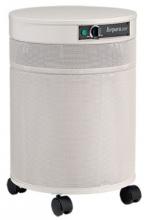
Airpura C600 Air Purifier: Airborne Chemicals, Gases & Odors
Starting at $1,049.98
 Free Shipping
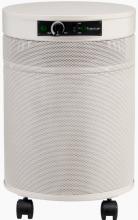
Airpura P700 PLUS & P714 PLUS Air Purifier: TiO2 HEPA for Large Rooms
Starting at $1,649.98